
Commercial propertyMould remediation
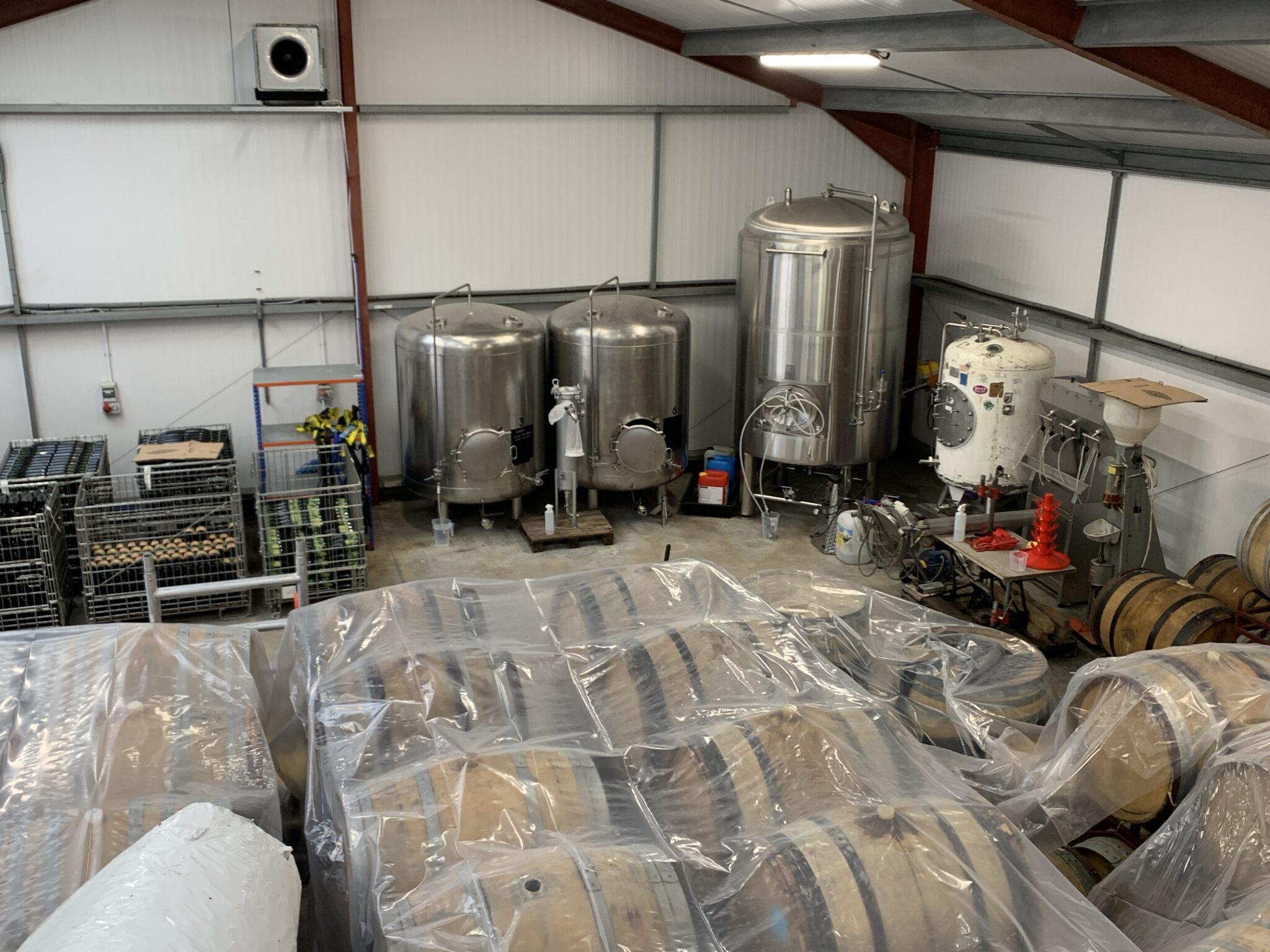
Mould decontamination of a brewery production building, after an earlier clean-up failed
A previous firm's mould clean-up at a brewery production building failed to stop contamination returning within a couple of months. We identified the root cause, delivered contained decontamination and confirmed the result with laboratory clearance testing.
Client and location details are withheld at the client’s request.
What we found
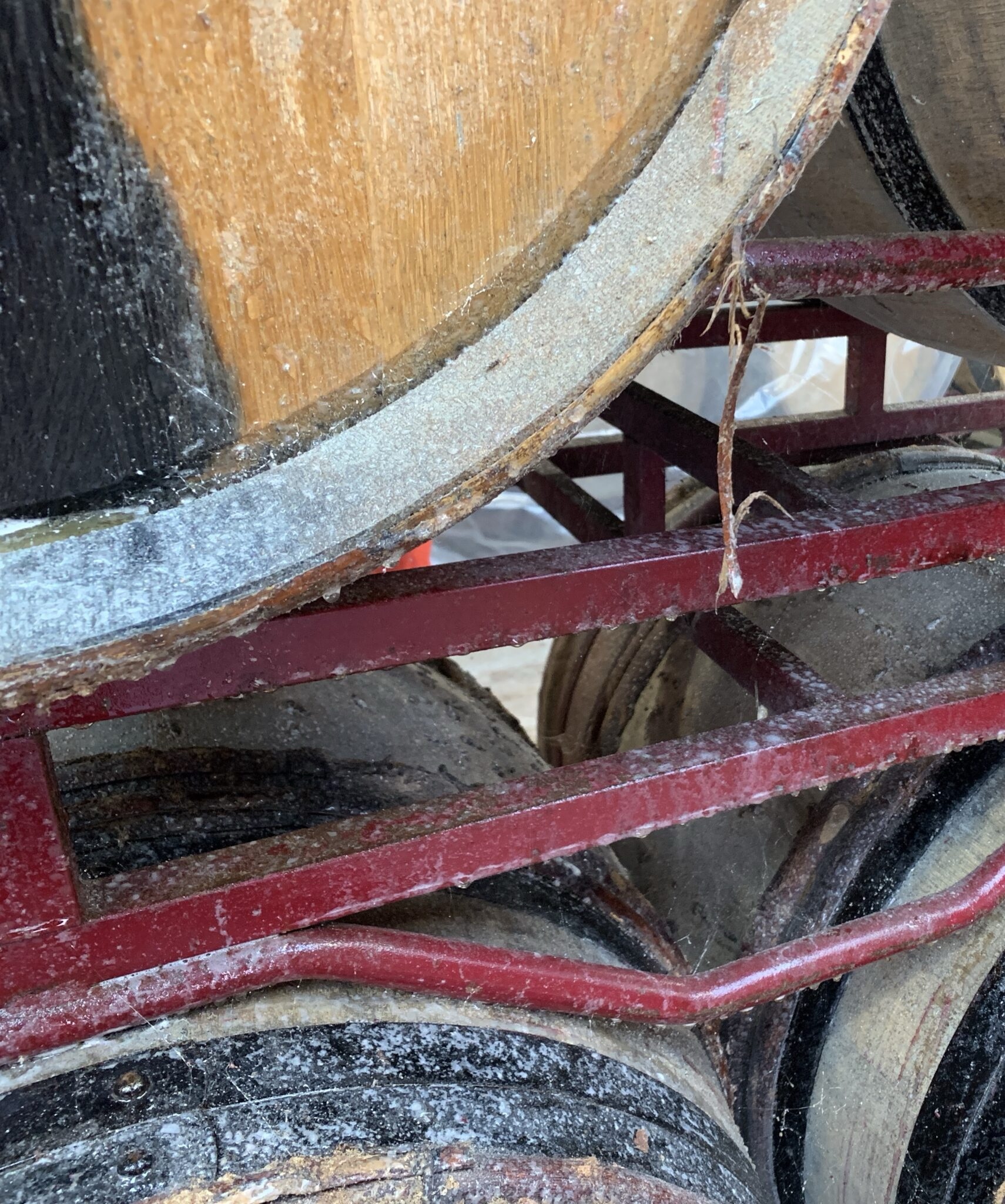
A brewery’s production building had mould contamination return within a couple of months of a previous firm’s clean-up work. The extent of the regrowth pointed to the earlier removal protocol not having addressed the underlying cause, and possibly having spread spores further during the work itself.
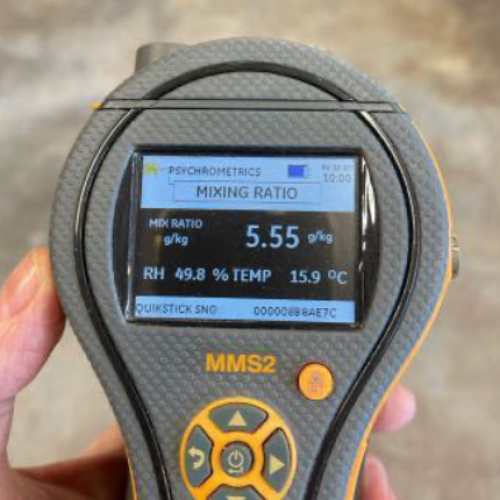
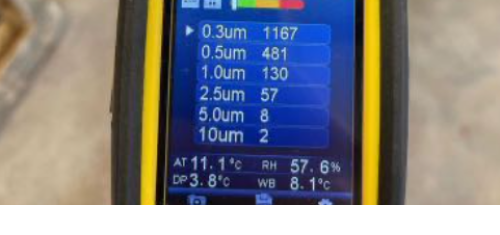
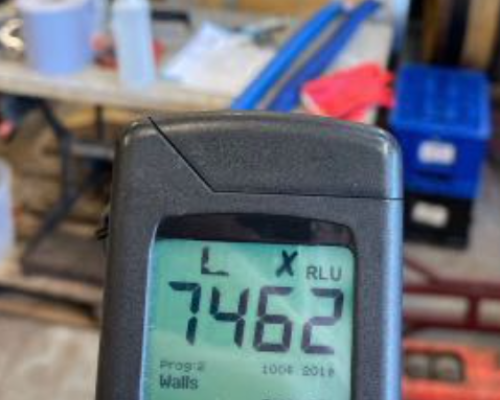
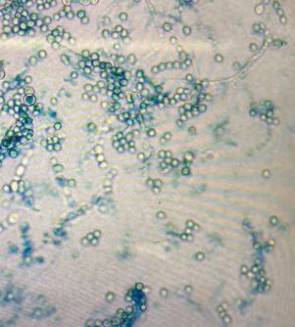
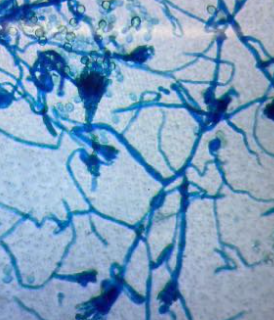
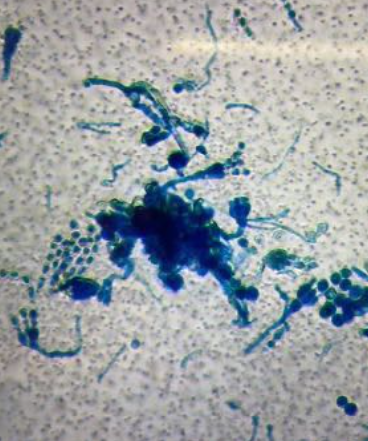
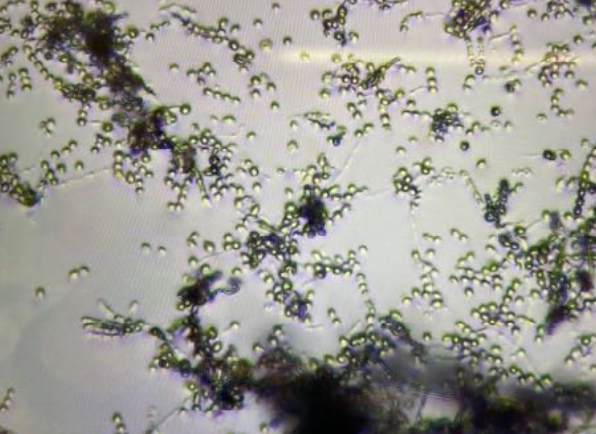
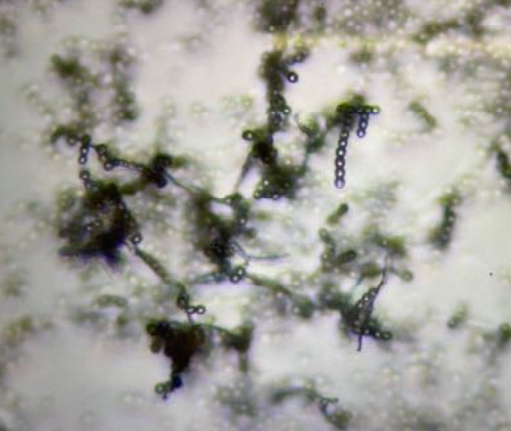
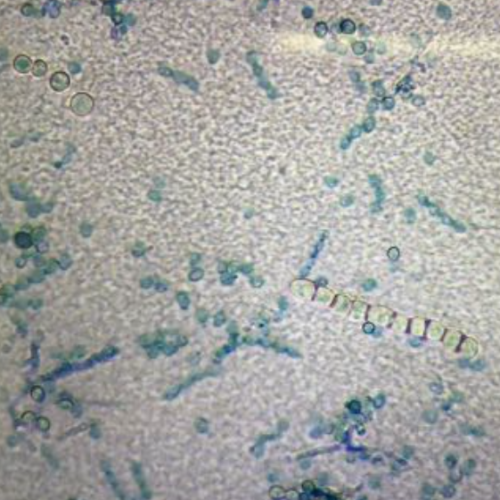
We carried out an environmental survey to establish why. Psychrometric testing recorded significant condensation across surfaces throughout the building, identifying this as the main contributing factor to the mould growth. Indoor air quality particulate testing showed ambient levels were within acceptable limits, but ATP testing of surfaces found high levels of microbial activity, and laboratory analysis of tape-lift samples under DMA microscopy identified several mould species (including Penicillium, Aspergillus flavus, Aspergillus niger and Cladosporium) at concentrations consistent with the visible contamination and pointing to a need for remedial action.
How the works were delivered
- Assess: an environmental survey combining psychrometric testing, indoor air quality particulate analysis, ATP surface testing and laboratory DMA microscopy to establish the extent of the contamination and its root cause.
- Verify: laboratory analysis of tape-lift samples confirmed the mould species present and the level of contamination requiring remedial action.
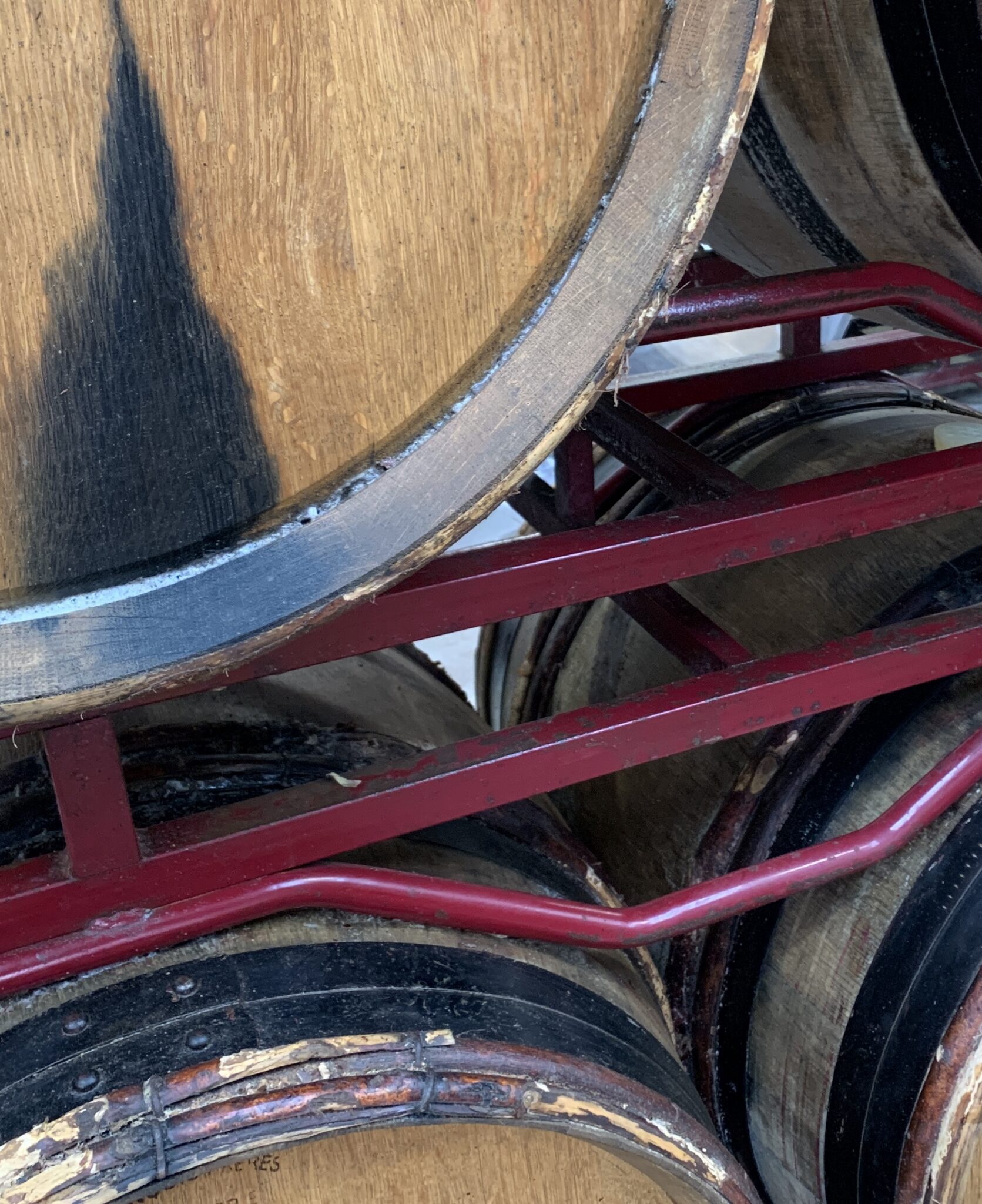
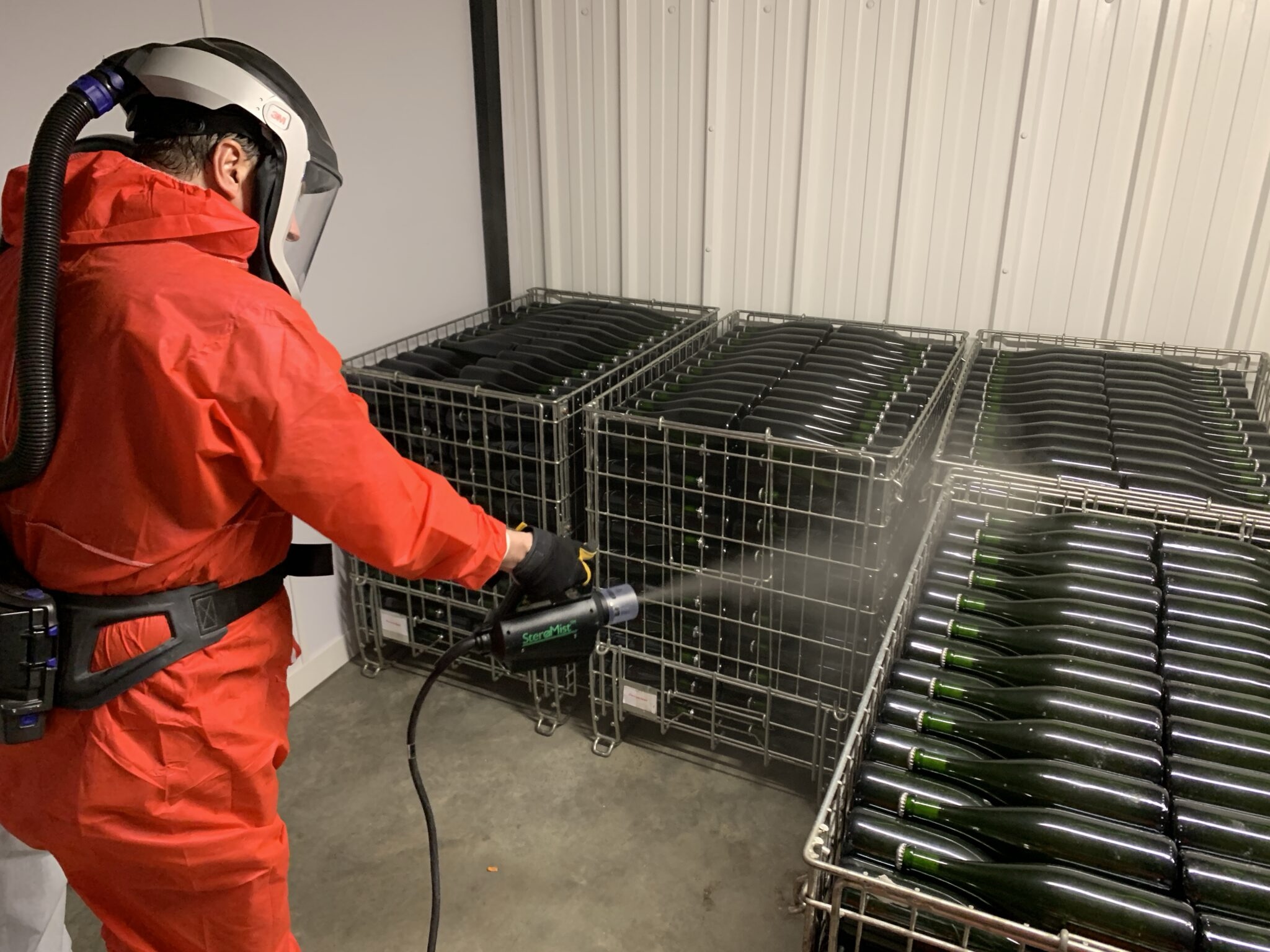
- Remediate: a sealed, negative-pressure containment zone around the structural frame and timber vessels; visible mould removed from structural surfaces by dry ice blasting; timber vessels HEPA-vacuumed; surfaces treated with our OXID-8/B-RINSE two-stage decontamination method; SteraMist treatment of surfaces and air.
- Clear and report: indoor air quality testing throughout the works, followed by laboratory spore trap and ATP clearance testing before sign-off.
Addressing the underlying cause
The environmental survey had identified condensation as the main contributing factor to the mould growth. Additional ventilation brought moisture levels under better control alongside the decontamination works, addressing the condition that had allowed the earlier contamination to return.
Facing a similar issue?
Tell us about the site and a technical lead will come back to you.